
Top Techniques Used in Sheet Metal Fabrication
Sheet metal fabrication is a fundamental process used in industries ranging from automotive and aerospace to construction and electronics. It involves transforming flat sheets of metal into specific shapes and structures through a variety of mechanical processes. Whether for creating small parts or large structural components, fabricators rely on several time-tested and innovative techniques to ensure accuracy, strength, and efficiency.
Understanding the top techniques used in sheet metal fabrication helps manufacturers, engineers, and businesses make informed decisions about design, cost, and production timelines. Each method serves a unique purpose, offering different benefits depending on the type of metal, thickness, and final application. Below are some of the most commonly used techniques in the industry.
Cutting
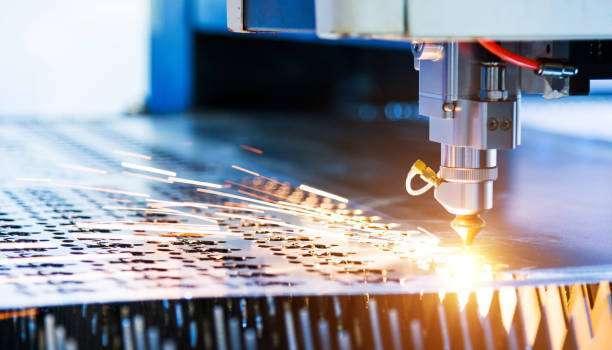
Cutting is one of the first steps in the sheet metal fabrication process. It involves separating sheets into desired shapes and sizes. Traditional methods like shearing and sawing are still widely used, but laser cutting and waterjet cutting have become increasingly popular due to their precision and versatility. Laser cutting, in particular, allows for intricate patterns and tight tolerances, making it ideal for complex designs.
Bending
Bending is essential for creating three-dimensional shapes from flat sheets. This process uses press brakes or other specialized machines to form precise angles. Bending is commonly applied in the production of enclosures, brackets, and panels. The technique requires skill and proper tooling to prevent material fatigue or cracking, especially in thicker metals or tighter bends.
Punching
Punching involves creating holes or cutouts in the metal using a punch press and a die. It is often used in applications that require repetitive patterns, such as ventilation panels, mounting holes, or decorative elements. Modern CNC punching machines offer high speed and consistency, enabling mass production with minimal material waste.
Stamping
Stamping is a cold-forming process where a sheet of metal is pressed into a specific shape using a die and stamping press. It’s frequently used in automotive manufacturing to produce body panels, structural supports, and more. Stamping can include other operations like embossing, coining, and flanging, making it a versatile and cost-effective option for high-volume production.
Welding
Welding is used to permanently join two or more pieces of metal. There are several types of welding methods, including MIG (Metal Inert Gas), TIG (Tungsten Inert Gas), and spot welding. The choice of method depends on the type of metal, thickness, and strength requirements. Welding plays a vital role in ensuring the structural integrity of fabricated components.
Forming
Forming differs from bending in that it involves reshaping the metal without removing any material. This can include rolling, spinning, and stretching to create cylindrical or curved shapes. Forming is especially useful in industries like aerospace and energy, where components like ducts, tanks, and turbine housings are required.
CNC Machining
CNC (Computer Numerical Control) machining complements sheet metal fabrication by allowing for precise and automated material removal. This process is particularly useful for adding finishing details, such as holes, threads, or slots. CNC machining enhances the accuracy of the final product and can be easily integrated with other fabrication steps for streamlined production.
Riveting
Riveting is a mechanical fastening technique used when welding is not suitable. It involves joining metal sheets using metal pins or rivets. Riveting is widely used in the aerospace and transportation sectors due to its reliability and ease of inspection. It is especially valuable in applications where vibration or thermal expansion is a concern.
Finishing
After the primary fabrication steps are complete, finishing processes are applied to improve aesthetics, durability, and corrosion resistance. These include powder coating, anodizing, painting, and polishing. Surface treatments not only protect the metal but also give it a professional appearance, which is essential for consumer-facing products.
Choosing the Right Technique
Selecting the appropriate sheet metal fabrication technique depends on several factors: the type of metal, part design, intended use, and production volume. For instance, laser cutting may be preferred for prototypes or intricate parts, while stamping is better suited for high-volume manufacturing. Collaborating with experienced fabricators ensures that the right methods are chosen for each project, balancing quality, cost, and efficiency.
Final Thoughts
The world of sheet metal fabrication is both complex and fascinating, with each technique offering its own strengths. From cutting and bending to welding and finishing, these processes combine to transform raw metal into functional, high-performance parts and products. As technology continues to evolve, so do the tools and techniques available, making fabrication more efficient, precise, and customizable than ever before.


