
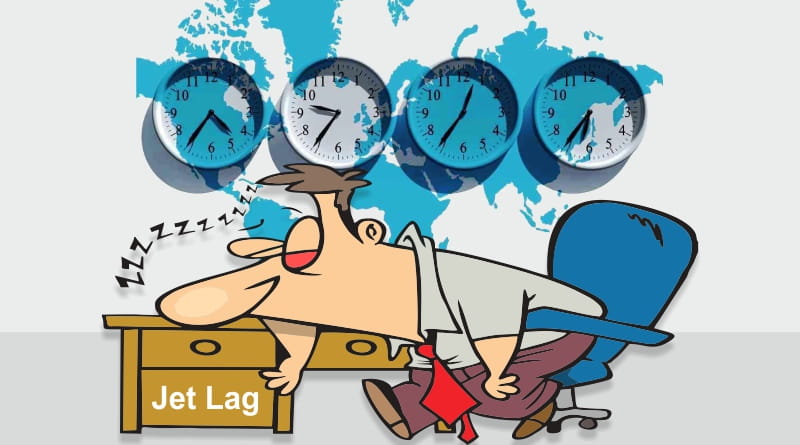
How to Beat Jet Lag – Tips and Strategies for a Smooth Transition
What is Jet Lag?
Jet lag is a common condition that affects people who travel across different time zones. The symptoms can include fatigue, insomnia, headaches, and difficulty concentrating. Here are some tips to help avoid jet lag:
Introduction:
In this article, we will discuss tips and strategies for avoiding jet lag when traveling across different time zones. Jet lag can cause discomfort and disrupt travel plans, but with some simple adjustments to your sleep schedule, hydration habits, and exposure to natural light, you can help your body adjust more quickly to the new time zone. We will explore various methods for managing jet lag, from adjusting your sleep schedule before your trip to taking melatonin to help regulate your sleep patterns. Whether you’re traveling for business or pleasure, these tips can help you minimize the effects of jet lag and enjoy your trip to the fullest.
Adjust your sleep schedule:
A few days before your trip, start adjusting your sleep schedule to match the time zone of your destination. This will help your body adjust to the new time zone more quickly.
- Adjusting your sleep schedule is a key strategy for avoiding jet lag when traveling across different time zones. By gradually shifting your sleep and wake times a few days before your trip, you can help your body adjust to the time zone of your destination. This means that when you arrive at your destination, your body will already be in the right rhythm for that time zone, and you’ll be less likely to experience jet lag symptoms like fatigue and insomnia.
- For example, if you’re traveling from New York to London and there’s a 5-hour time difference, you might start adjusting your sleep schedule 3-4 days before your trip. This might mean going to bed and waking up 1 hour earlier each day, until you’re on the same sleep schedule as your destination time zone. This gradual shift can help your body adjust more smoothly to the new time zone, and you’ll be more likely to feel alert and awake when you arrive at your destination.
Stay Hydrated:
Drink plenty of water before, during, and after your flight to prevent dehydration, which can make jet lag symptoms worse.
- Staying hydrated is an important strategy for preventing jet lag symptoms when traveling across different time zones. Dehydration can exacerbate jet lag symptoms like fatigue, headaches, and muscle cramps, so it’s important to drink plenty of water before, during, and after your flight.
- Airplane cabins are notoriously dry, with low humidity levels that can cause dehydration. In addition, the change in air pressure during the flight can cause swelling in the feet and ankles, which can be mitigated by staying hydrated.
- To stay hydrated, it’s a good idea to drink plenty of water before your flight, and to continue drinking water throughout your journey. You can also bring an empty water bottle with you through security and fill it up at a water fountain or on-board the plane.
- It’s also a good idea to avoid alcohol and caffeine, which can further dehydrate you and disrupt your sleep patterns. By staying hydrated, you can help your body adjust more smoothly to the new time zone and reduce the severity of jet lag symptoms.
Avoid Alcohol and Caffeine:
Both alcohol and caffeine can disrupt your sleep patterns and make it harder for your body to adjust to the new time zone.
- Avoiding alcohol and caffeine is an important strategy for avoiding jet lag symptoms when traveling across different time zones. Both substances can disrupt your sleep patterns and make it harder for your body to adjust to the new time zone.
- Alcohol is a depressant that can make you feel drowsy and help you fall asleep faster. However, it can also disrupt the quality of your sleep, leading to more frequent awakenings and less restorative sleep. This can exacerbate jet lag symptoms like fatigue, headaches, and difficulty concentrating.
- Caffeine is a stimulant that can help you stay awake and alert, but it can also interfere with your sleep if consumed too close to bedtime. This can make it harder for your body to adjust to the new time zone, and can contribute to jet lag symptoms like fatigue and insomnia.
- To avoid the negative effects of alcohol and caffeine, it’s a good idea to avoid or limit your intake of these substances during your journey. You can also switch to non-caffeinated beverages like herbal tea or water, and avoid alcohol altogether. By avoiding these substances, you can help your body adjust more smoothly to the new time zone and reduce the severity of jet lag symptoms.
Get some Sunlight:
Exposure to natural light can help regulate your body’s internal clock, so try to spend some time outside during daylight hours.
- Exposure to natural light is a key strategy for regulating your body’s internal clock and reducing the severity of jet lag symptoms. Your body’s internal clock, also known as your circadian rhythm, is regulated by a variety of factors, including light and darkness. When you travel across different time zones, your body’s internal clock can become disrupted, leading to symptoms like fatigue, insomnia, and difficulty concentrating.
- Exposure to natural light can help regulate your body’s internal clock and reset it to the new time zone. This is because natural light is the most powerful cue for your body’s internal clock, signaling when it’s time to be awake and when it’s time to sleep. By exposing yourself to natural light during the daytime hours, you can help shift your body’s internal clock to the new time zone, reducing the severity of jet lag symptoms.
- To get some sunlight, try to spend some time outside during daylight hours. This might mean taking a walk outside, sitting on a park bench, or eating a meal outside. If you’re traveling to a destination with a significant time difference, it’s especially important to get exposure to natural light in the morning, as this can help signal to your body that it’s time to be awake. Conversely, it’s important to avoid exposure to bright light in the evening, as this can signal to your body that it’s time to be awake when you should be preparing for sleep. By getting some sunlight during the day, you can help your body adjust more smoothly to the new time zone and reduce the severity of jet lag symptoms.
Take Naps Strategically:
If you need to take a nap, keep it short (less than 30 minutes) and try to do it during the daytime hours in your destination time zone.
- Taking strategic naps can be helpful in combating jet lag when traveling across different time zones. Napping can help you feel more rested and alert, but it’s important to take naps strategically to avoid disrupting your sleep patterns and exacerbating jet lag symptoms.
- If you need to take a nap, it’s best to keep it short (less than 30 minutes) and to do it during the daytime hours in your destination time zone. This can help you feel more rested and alert without interfering with your nighttime sleep. Taking a longer nap or napping in the evening can disrupt your sleep patterns and make it harder for your body to adjust to the new time zone.
- Napping during the daytime hours in your destination time zone can also help your body adjust to the new time zone. This is because your body’s internal clock is influenced by light and darkness, and napping during the daytime can help reinforce the cues that it’s time to be awake. Conversely, napping during the nighttime hours can confuse your body’s internal clock and make it harder for you to fall asleep at night.
- If you find that you need to take a nap to combat fatigue during the day, it’s important to choose a comfortable and quiet location. This might mean finding a quiet spot in an airport lounge, or booking a hotel room for a few hours. By taking strategic naps, you can help your body adjust more smoothly to the new time zone and reduce the severity of jet lag symptoms.
Consider melatonin:
Melatonin is a hormone that can help regulate sleep patterns. Taking a small dose of melatonin a few hours before bedtime in your destination time zone may help your body adjust more quickly.
- Melatonin is a hormone that plays a key role in regulating sleep patterns. It is produced naturally by the body in response to darkness, helping to signal to the body that it’s time to sleep. However, when you travel across different time zones, your body’s natural production of melatonin can become disrupted, leading to difficulty sleeping and other jet lag symptoms.
- Taking a small dose of melatonin a few hours before bedtime in your destination time zone may help your body adjust more quickly to the new time zone. Melatonin supplements are available over the counter in many countries and can be purchased at health food stores, pharmacies, or online. The optimal dose and timing of melatonin supplementation may vary depending on individual factors such as age, weight, and the severity of jet lag symptoms.
- It’s important to note that melatonin is not a cure for jet lag, and its effectiveness in combating jet lag symptoms is still a topic of debate among scientists. However, many people find that taking melatonin supplements can help them fall asleep more easily and adjust to the new time zone more quickly.
- If you’re considering taking melatonin supplements to combat jet lag, it’s important to talk to your healthcare provider first, especially if you have any underlying health conditions or are taking other medications. Melatonin can interact with certain medications and may not be safe for everyone. Additionally, melatonin may cause side effects such as headaches, dizziness, and nausea in some people. By considering melatonin as a strategy to combat jet lag, you can help your body adjust more smoothly to the new time zone and reduce the severity of jet lag symptoms.
Plan in Advance:
If you’re traveling for an important event, such as a business meeting or a wedding, try to arrive at your destination a few days early to give yourself time to adjust to the new time zone.
- Planning ahead is an important strategy for avoiding jet lag, especially if you’re traveling for an important event such as a business meeting or a wedding. Arriving at your destination a few days early can give you time to adjust to the new time zone, reducing the likelihood that you’ll experience jet lag symptoms during the event.
- When you arrive at your destination, try to get as much natural light as possible, and keep your sleep and meal times consistent with the local time. This will help your body adjust to the new time zone more quickly. You can also try to engage in light exercise or other physical activities during the day to help you stay awake and alert.
- By arriving a few days early, you’ll also have time to explore your destination and acclimate yourself to the local culture and customs. This can help you feel more relaxed and comfortable during the event, reducing the impact of any jet lag symptoms that you may experience.
- If you’re traveling for work, arriving a few days early can also give you time to prepare for your meetings or presentations, reducing the likelihood that you’ll feel stressed or overwhelmed due to jet lag.
- Overall, planning ahead and arriving at your destination a few days early can help you avoid the negative effects of jet lag and enjoy your trip or event to the fullest.


