
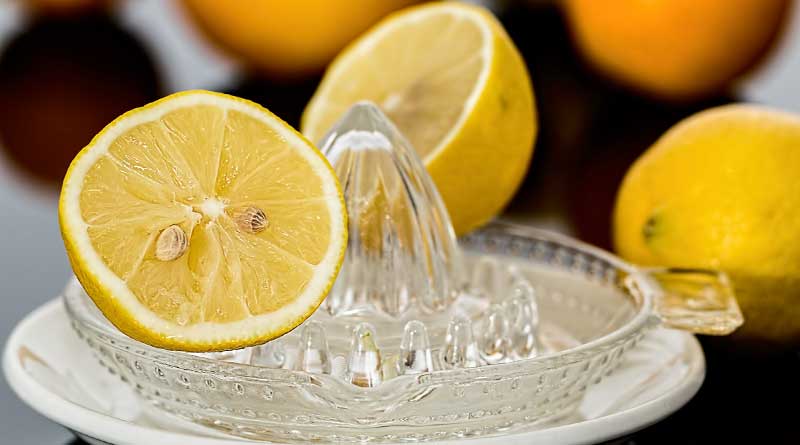
Lemon – Plethora of benefits and Most Reliable to cure Diseases – A Complete Guide
Nutritional Content:
Lemons are an excellent source of vitamin C, which is important for maintaining a healthy immune system. They also contain small amounts of vitamin B6, vitamin A, and folate. Lemons are also a good source of potassium, which can help regulate blood pressure. In addition, lemons are low in calories and contain no fat or cholesterol.

Health Benefits:
Lemons have been shown to have a variety of health benefits, including:
- Improving digestion: Lemons contain high levels of citric acid, which can help stimulate the production of bile in the liver, helping to improve digestion and relieve constipation.
- Boosting the immune system: Lemons are high in vitamin C, which can help boost the immune system and protect against colds and flu.
- Reducing inflammation: Lemons contain antioxidants that can help reduce inflammation in the body, which can help protect against a variety of chronic diseases, including cancer and heart disease.
- Supporting weight loss: Lemons are low in calories, and the high levels of vitamin C and antioxidants can help support weight loss by boosting metabolism and reducing cravings.
Incorporating Lemons into your Diet:
Lemons can be used in a variety of ways to add flavour and nutrition to your diet. Some ideas include:
- Adding lemon juice to your water or tea: This can help improve digestion and hydrate the body.
- Adding lemon zest or juice to your cooking: Lemons can be used to add flavor to a variety of dishes, including fish, chicken, and vegetables.
- Making homemade lemonade: This is a refreshing and healthy alternative to store-bought drinks that are high in sugar.
Lemons for Skincare:
Lemons have natural astringent properties that can help to clear up acne and reduce the appearance of wrinkles and age spots. The vitamin C in lemons can also help to brighten the skin and promote collagen production. You can use lemon juice or lemon essential oil to make a homemade face mask or toner, or add a few drops of lemon oil to your moisturizer or shampoo.

Lemons for Cleaning:
Lemons are a natural and effective alternative to chemical cleaners. The acid in lemons can cut through grime and leave surfaces sparkling clean. You can use lemon juice or lemon essential oil to make an all-purpose cleaner for your kitchen and bathroom, or add lemon oil to your laundry detergent for an extra boost of freshness.
Lemons for Aromatherapy:
Lemons have a fresh and invigorating scent that can help to lift your mood and improve mental clarity. You can use lemon essential oil in an oil diffuser or add a few drops to a warm bath to enjoy the benefits of lemon aromatherapy.
Precautions:
Lemons and lemon juice are generally considered safe, but consuming excessive amounts of lemon juice or lemon peel can cause stomach upset and tooth enamel erosion. Lemons and lemon juice can also make your skin more sensitive to the sun, so it is advisable to use sun protection if you have applied lemon juice or lemon oil to your skin.
Lemon Juice vs Lemon Essential Oil:
Lemon juice is the juice of the lemon, whereas lemon essential oil is an essential oil that is made from the peel of the lemon. Both lemon juice and lemon essential oil have similar health benefits, but lemon essential oil has a more potent and concentrated flavor, and it is also more versatile than lemon juice. Lemon essential oil can be used for aromatherapy, cleaning and skincare.

Lemon Varieties:
There are several varieties of lemons available, including Eureka and Lisbon lemons, which are most commonly found in grocery stores. Other varieties include Meyer lemons, which are sweeter and less acidic than other varieties and have a thin, smooth skin, and the Femminello St. Teresa lemons, which are mostly grown in Italy and have a sweeter taste and a more intense aroma.
Storage and Preservation:
Lemons can be stored at room temperature for a week or two, or in the refrigerator for up to a month. Lemons can also be frozen whole, in slices or juiced. Freezing lemon juice in ice cube trays is a convenient way to have lemon juice ready to use in cooking, drinks or cleaning.
Lemon Recipes:
Lemons can be used in a variety of recipes, including drinks, marinades, dressings, and desserts. Some popular lemon recipes include lemon chicken, lemon risotto, lemon bars, and lemon sorbet. Lemons are also used in making pickles.
Lemon in Ayurveda:
Lemons are known for their cooling and alkalizing properties and are used in Ayurveda as a detoxifying agent. The sour taste of lemons helps to stimulate the liver and increase bile flow, which in turn helps to detoxify the body. Lemons are also used in Ayurvedic medicine to balance the Pitta dosha, which is associated with heat, inflammation, and digestion
Scientific Studies:
Several studies have been conducted on the health benefits of lemons. One study found that consuming lemon peel was effective in reducing the risk of heart disease. Another study found that lemons have anti-cancer properties, specifically in fighting off breast cancer cells.
Conclusion:
Lemons are versatile and nutritious fruit that can provide a variety of health benefits. They are low in calories and high in vitamins and antioxidants, making them an excellent addition to any diet.
Whether you’re looking to improve digestion, boost your immune system, or reduce inflammation, lemons are a great choice.
So, next time you’re at the grocery store, be sure to pick up a bag of lemons and start enjoying their plethora of benefits.
There is a lot more to write about Lemon, regarding its native, Tree, Crops Cultivation, Average production per tree, Producing countries, etc.. in my next blog.
Kindly share this article with those you think are worth sharing. 🙂


